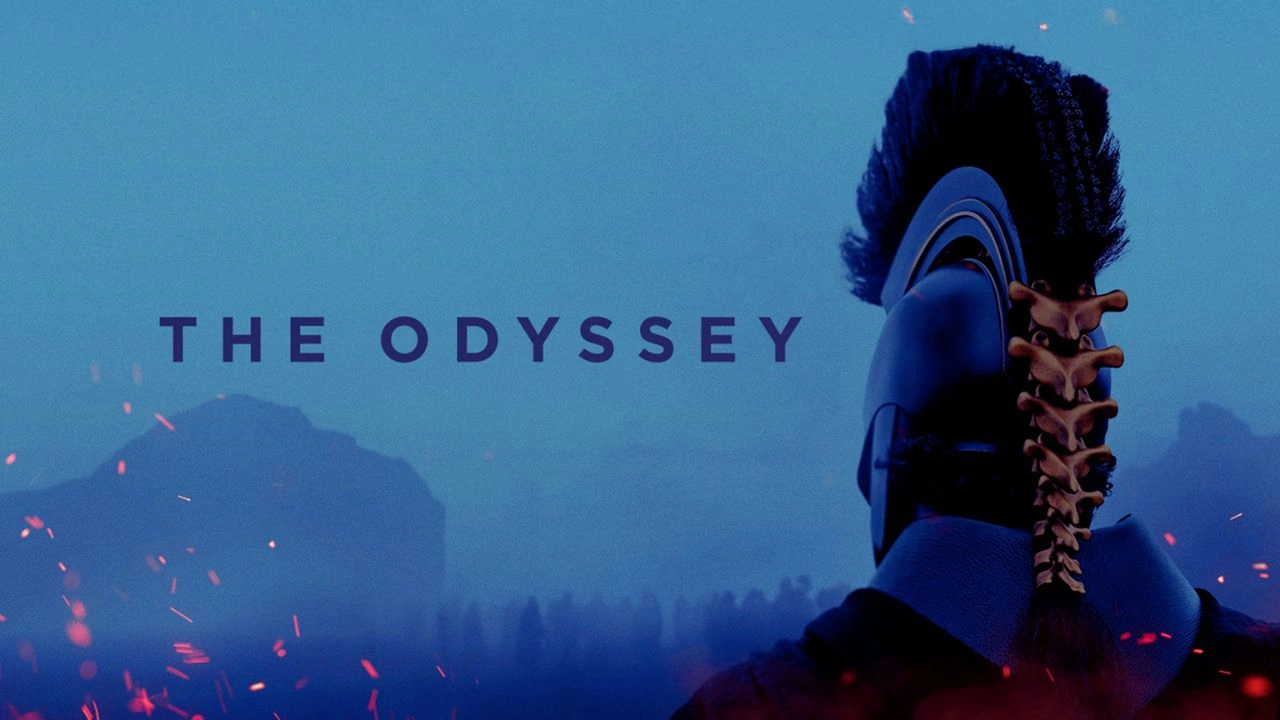
The Odyssey Movie: An ancient hero’s perilous journey home becomes a cinematic spectacle of myth, memory, and survival.
The legendary tale of Odysseus returns to the global stage in The Odyssey (2026), directed by visionary filmmaker Christopher Nolan. Set for release on July 17, 2026 (United Kingdom), this ambitious adaptation transforms Odyssey by Homer into a sweeping action-adventure fantasy for modern audiences.
Starring Matt Damon as Odysseus, alongside Tom Holland and Anne Hathaway, the film blends mythological grandeur with Nolan’s signature psychological depth. With its mix of action, history, and fantasy, The Odyssey promises not merely spectacle but an exploration of endurance, identity, and the cost of war.
Christopher Nolan’s Vision: Myth Through a Modern Lens
Few directors are better suited to reinterpret a story as complex and layered as The Odyssey than Christopher Nolan. Known for cerebral storytelling and immersive practical filmmaking, Nolan approaches Homer’s epic not as a simple myth but as a psychological odyssey.

Reports suggest Nolan structures the film in a nonlinear format, reflecting the fragmented memory of a soldier returning from war. This technique aligns with his recurring exploration of time and perception. The Trojan War becomes both prologue and haunting backdrop, shaping Odysseus’s identity throughout the narrative.
Rather than leaning solely into fantasy, Nolan reportedly emphasizes realism within myth. Creatures such as the Cyclops and Sirens are portrayed with grounded physicality, merging practical effects with restrained CGI to maintain authenticity.
The result is expected to be a visceral, immersive epic that bridges ancient storytelling with contemporary cinematic language.
Read Also: The Dreadful Movie 2026: A Haunting Psychological Thriller Where the Past Refuses to Stay Buried
Matt Damon as Odysseus: The Warrior King
Casting Matt Damon as Odysseus anchors the film with gravitas. Damon’s ability to portray intelligence and moral conflict makes him a compelling choice for the cunning King of Ithaca.
Odysseus is not merely a warrior; he is a strategist, a storyteller, and a flawed man whose pride often triggers catastrophe. Damon’s interpretation reportedly leans into this duality. Odysseus is both hero and architect of his own suffering.
The film explores how ten years of war and another decade of wandering reshape him. Each encounter — from Polyphemus to Circe — tests not only his survival skills but his moral compass.
This Odysseus is haunted, relentless, and deeply human, reflecting the psychological toll of endless conflict.
Tom Holland and Anne Hathaway: The Next Generation and the Waiting Queen
Tom Holland is expected to portray Telemachus, Odysseus’s son, whose coming-of-age journey parallels his father’s trials. Holland brings youthful intensity and emotional vulnerability, highlighting the generational impact of prolonged war.
Telemachus grows up without a father, surrounded by suitors vying for his mother’s hand and his kingdom’s control. His storyline adds political tension and personal stakes to the narrative.
Meanwhile, Anne Hathaway reportedly plays Penelope, the enduring queen of Ithaca. Penelope’s strength lies not in physical combat but in intellectual resilience. Her legendary weaving ruse becomes a symbol of patience and strategic survival.
Hathaway’s portrayal is expected to emphasize Penelope’s agency. She is not merely waiting; she is actively defending her household through wit and quiet defiance.
The Mythological Encounters: Monsters and Metaphors
Central to The Odyssey are the legendary encounters that define Odysseus’s voyage.
Polyphemus the Cyclops
The confrontation with the Cyclops Polyphemus represents brute force versus cunning. Odysseus’s clever deception secures escape but provokes Poseidon’s wrath, extending his suffering.
The Sirens
Their haunting song symbolizes temptation — the lure of knowledge and desire that can lead to destruction. Nolan reportedly frames this scene as both hypnotic and terrifying.
Circe
The enchantress Circe blurs the line between danger and sanctuary. Her island offers respite, yet it also tests loyalty and discipline.
Each encounter functions not only as spectacle but as metaphor. The monsters embody internal struggles — pride, temptation, vengeance.
Themes of War, Identity, and Homecoming
At its heart, The Odyssey examines the meaning of home.
For Odysseus, Ithaca is more than a destination. It is memory, responsibility, and redemption. The journey reflects the universal human struggle to reclaim identity after trauma.
Nolan’s adaptation reportedly underscores the psychological consequences of war. Odysseus’s cunning, once celebrated, becomes a burden. He questions whether he deserves the peace he seeks.
Penelope and Telemachus, meanwhile, illustrate resilience in absence. Their survival in Ithaca mirrors Odysseus’s battles at sea.
The film suggests that the greatest challenge is not defeating monsters — but confronting oneself.
Action, Adventure, and Historical Authenticity
True to its genre blend of action, adventure, fantasy, and history, the film reportedly invests heavily in practical effects and detailed production design.
Ancient Greek ships, armor, and architecture are recreated with meticulous care. Battle sequences emphasize tactical realism over exaggerated fantasy.
Storm sequences at sea promise to be visually breathtaking, using practical water effects to heighten immersion.
The collaboration between United Kingdom and United States production teams ensures a global scale befitting Homer’s epic.
Release Strategy and Cultural Impact
Scheduled for July 17, 2026 (United Kingdom), The Odyssey arrives as a major summer event film. Its blend of star power and literary prestige positions it as both blockbuster and awards contender.
Epic adaptations have historically shaped cinematic eras. With Nolan’s reputation for ambitious storytelling, expectations are high.
The film also reintroduces Homer’s tale to younger audiences. Through dynamic visuals and emotional depth, it bridges classical literature and contemporary entertainment.
Why The Odyssey Matters in 2026
In a world grappling with displacement, conflict, and identity crises, The Odyssey resonates deeply.
The journey home after prolonged turmoil mirrors modern experiences of veterans, refugees, and individuals navigating change.
Odysseus’s trials remind audiences that intelligence and perseverance can triumph over brute force. Yet they also warn of hubris and unchecked ambition.
By reframing Homer’s narrative through a modern lens, Nolan invites reflection on timeless human questions:
What defines a hero?
Can one truly return unchanged?
What is the cost of survival?
Read Also: Toxic Movie 2026: Yash Headlines a Dark, Multilingual Crime Epic Set in Goa’s Shadowy Underworld
Official Trailer – The Odyssey Movie
A Defining Epic for a New Era
If successful, The Odyssey could redefine mythological cinema. Its fusion of intellectual depth, historical authenticity, and emotional resonance sets it apart from conventional fantasy adaptations.
With Christopher Nolan directing and a powerhouse cast led by Matt Damon, Tom Holland, and Anne Hathaway, the film stands poised to become a landmark cinematic event.
Ultimately, The Odyssey endures because its themes are eternal. Across millennia, audiences recognize themselves in Odysseus’s longing for home.
In 2026, that longing sails once more — across vast seas, through storms and monsters, toward redemption.
And as viewers watch the hero’s final steps onto Ithaca’s shores, they may find themselves reflecting on their own journeys — and the homes they strive to reach.
4 thoughts on “The Odyssey Movie 2026: Christopher Nolan Reimagines Homer’s Epic for a New Generation”