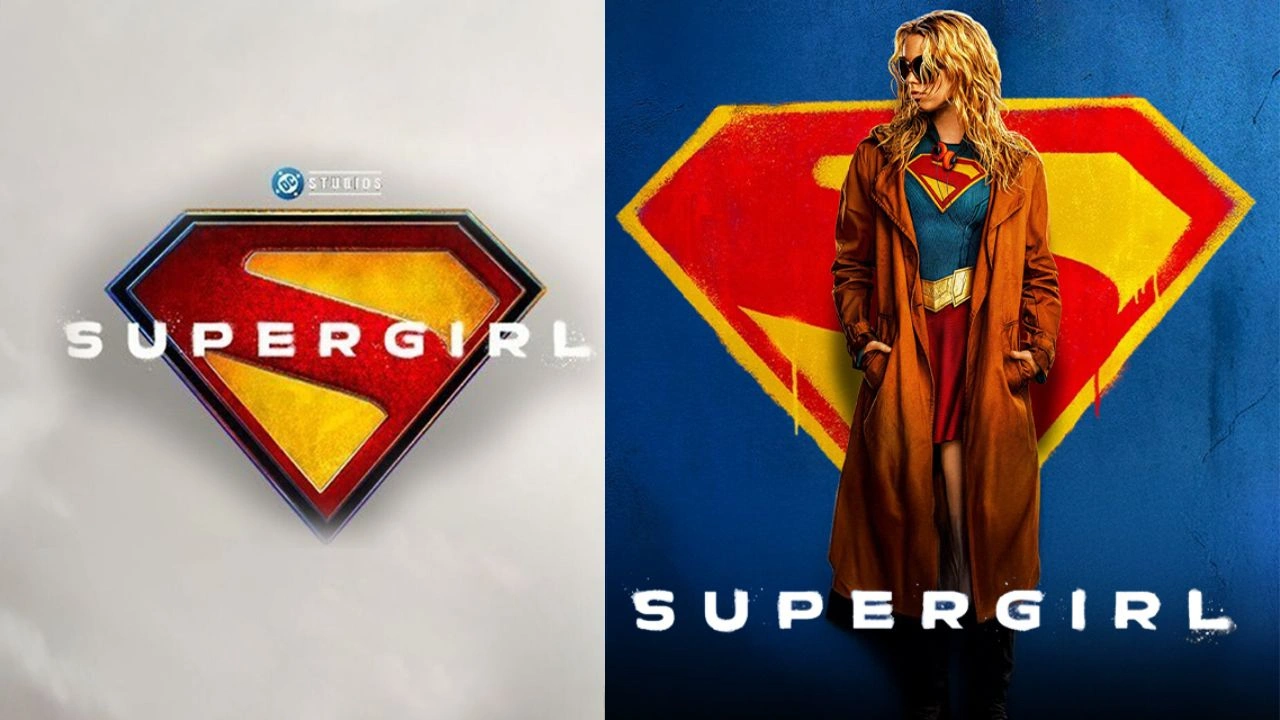
Supergirl Movie: Before she became Earth’s beacon of hope, Kara Zor-El endured loss, survival, and moral conflict across a dying galaxy.
The upcoming Supergirl (2026) film promises to reshape one of DC’s most iconic heroines with a bold, emotionally complex origin story. Directed by Craig Gillespie and written by Otto Binder, Bilquis Evely, and Tom King, the movie draws from decades of comic book mythology while presenting a darker, more psychologically grounded take on Kara Zor-El.
Starring Milly Alcock in the titular role, alongside Eve Ridley and Matthias Schoenaerts, the film is set for release on June 26, 2026 (United Kingdom). With its blend of action, adventure, and science fiction, Supergirl aims not only to deliver spectacle but also to explore trauma, resilience, and identity in a universe on the brink of destruction.
A New Chapter for DC’s Kryptonian Heroine
Supergirl has long existed in the shadow of her more famous cousin, Superman. Yet Kara Zor-El’s journey has always been distinct. Unlike Kal-El, who was sent to Earth as an infant, Kara was old enough to remember Krypton — its culture, its people, and its destruction.
This 2026 adaptation reportedly leans heavily into that memory. Kara is not simply a hopeful immigrant from a lost world; she is a survivor carrying profound grief.
Director Craig Gillespie is known for character-driven storytelling, and early insights suggest he approaches the superhero genre with emotional authenticity. Rather than presenting Kara as instantly heroic, the film explores the psychological weight of witnessing a civilization’s collapse.
By focusing on her darker origin, the movie distinguishes itself from previous portrayals. It invites audiences to understand not just her powers, but her pain.
Read Also: The Odyssey Movie 2026: Christopher Nolan Reimagines Homer’s Epic for a New Generation
Milly Alcock as Kara Zor-El: Strength Through Vulnerability
Casting Milly Alcock marks a defining moment for the franchise. Alcock’s ability to portray emotional intensity makes her a compelling choice for a heroine defined as much by trauma as by strength.
Kara’s early life on Krypton is expected to form a significant portion of the narrative. The audience may witness her relationships, her responsibilities, and the catastrophic events that force her into exile.
Alcock’s performance reportedly balances anger and compassion. Kara struggles with survivor’s guilt and isolation. She questions her purpose long before she embraces Earth as her new home.
This Supergirl is forged in grief, not optimism — yet her resilience becomes her defining trait.
Craig Gillespie’s Direction: Grounded Yet Epic
Craig Gillespie brings a reputation for nuanced storytelling. His direction reportedly emphasizes emotional realism over exaggerated spectacle.
The destruction of Krypton is depicted not merely as a cosmic disaster but as personal tragedy. Scenes are said to focus on intimate moments — family bonds, ethical dilemmas, and the fear of impending annihilation.
Action sequences, while expansive, are grounded in character motivation. Kara’s powers emerge alongside her emotional evolution, ensuring that battles feel consequential rather than decorative.
The visual tone leans darker than traditional superhero fare, reflecting the film’s thematic focus on survival and loss.
The Writing Team: Honoring Comic Roots
The screenplay credits include Otto Binder, a foundational figure in early Supergirl lore, as well as Bilquis Evely and Tom King, whose modern interpretations have deepened the character’s psychological complexity.
Tom King’s influence, in particular, signals a focus on internal conflict. Known for exploring heroism through flawed humanity, King’s storytelling often emphasizes emotional vulnerability.
Bilquis Evely’s artistic legacy informs the film’s aesthetic — from costume design to cosmic landscapes. The adaptation reportedly respects comic canon while updating it for contemporary audiences.
The result is a script that blends mythology with introspection, ensuring that long-time fans and newcomers alike find depth in Kara’s journey.
Supporting Cast: Allies and Adversaries
Matthias Schoenaerts is rumored to portray a morally complex antagonist. Rather than a one-dimensional villain, his character reportedly challenges Kara’s worldview, embodying the harsh realities of interstellar survival.
Eve Ridley plays a key supporting role, potentially as a companion or Earth-based ally who helps Kara adapt to human society.
These relationships expand the narrative beyond isolation. Kara’s evolution is shaped not only by conflict but by connection.
Themes: Trauma, Identity, and Belonging
At its heart, Supergirl (2026) explores themes rarely foregrounded in superhero cinema.
Survivor’s Guilt
Kara remembers Krypton. She recalls the lives lost. Her strength is intertwined with mourning.
Cultural Displacement
Arriving on Earth, she faces the challenge of assimilation. Unlike Superman, she carries vivid memories of another home.
Moral Ambiguity
The darker tone suggests Kara must confront difficult ethical choices. Heroism is not always clear-cut.
Female Agency
The narrative emphasizes Kara’s autonomy. She defines her destiny rather than inheriting it.
These themes elevate the film beyond action spectacle, framing it as a character study wrapped in cosmic scale.
Visual Effects and Cosmic World-Building
As a science-fiction adventure, the film relies heavily on advanced visual effects. Krypton’s depiction reportedly blends sleek futurism with fragile beauty, emphasizing what is lost.
Space sequences and planetary vistas aim for realism rather than cartoonish exaggeration. Kara’s flight scenes are said to focus on fluid motion and emotional expression.
Costume design reflects her heritage, merging Kryptonian symbolism with a darker, battle-worn aesthetic.
The overall visual language underscores the film’s emotional core — beauty shadowed by destruction.
Release Strategy and Franchise Potential
Scheduled for June 26, 2026 (United Kingdom), Supergirl arrives during the peak summer blockbuster season. Its timing positions it as a major tentpole release.
Industry analysts predict strong box office interest, fueled by fresh casting and a darker reinterpretation of a beloved character.
Beyond immediate revenue, the film holds franchise potential. By establishing Kara as a fully realized protagonist, the studio lays groundwork for future standalone adventures and ensemble appearances.
Why Supergirl Matters in 2026
The superhero genre continues to evolve. Audiences increasingly seek stories that blend spectacle with substance.
Supergirl’s darker origin aligns with this trend. It acknowledges that heroism often emerges from hardship.
In a world grappling with displacement and identity struggles, Kara’s story resonates symbolically. She embodies resilience in the face of irreversible loss.
Her journey from grieving survivor to empowered protector mirrors broader cultural conversations about healing and belonging.
Read Also: Disclosure Day Movie 2026: Steven Spielberg’s Sci-Fi Thriller About First Contact
Official Trailer – Supergirl Movie
A Heroine for a New Era
With Craig Gillespie directing and Milly Alcock leading the cast, Supergirl (2026) stands poised to redefine the character for a new generation.
By honoring comic roots while embracing emotional complexity, the film offers both nostalgia and innovation.
Ultimately, Kara Zor-El’s darker origin is not a detour from heroism — it is the path that shapes it.
Supergirl’s strength lies not only in her powers, but in her perseverance.
And in 2026, audiences will witness how a survivor of a dying world becomes a guardian of a new one.
1 thought on “Supergirl Movie 2026: A Darker Origin Story Redefines Kara Zor-El’s Legacy”