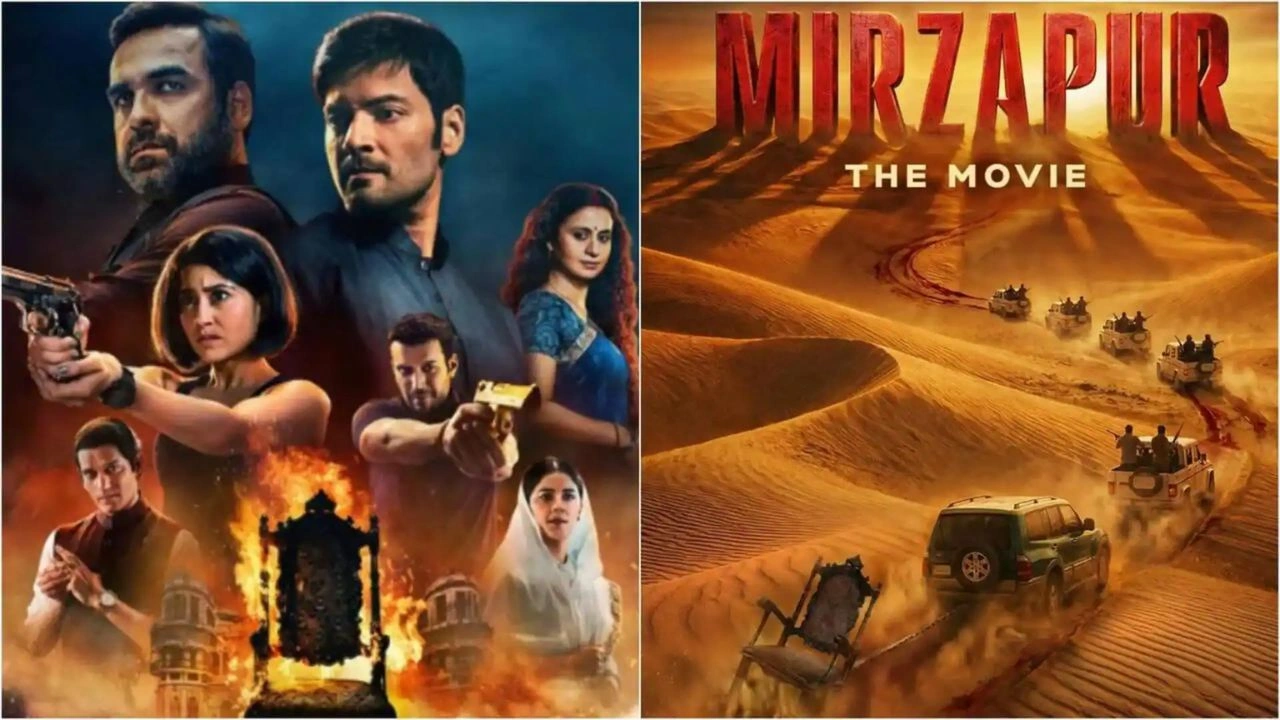
Mirzapur The Film: A high-stakes Hindi crime thriller bringing the brutal world of Mirzapur into a cinematic battlefield of ambition and survival.
The world of Mirzapur expands beyond episodic storytelling and enters theaters with Mirzapur: The Film, directed by Gurmmeet Singh. Headlined by powerhouse performers Pankaj Tripathi, Ali Fazal, and Sheeba Chaddha, the film is set for release on September 4, 2026, in India.
Known for its gripping portrayal of crime, politics, and personal vendettas, the Mirzapur universe has long been associated with intense drama and morally complex characters. With its transition to cinema, expectations are soaring. The film promises to retain the rawness of its roots while elevating scale, storytelling, and emotional stakes.
From Series Phenomenon to Cinematic Event
The Mirzapur name carries weight in Indian entertainment. Over the years, its narrative of crime syndicates and power struggles carved a dedicated audience base. The move to film signals ambition—a desire to amplify its storytelling within a grander format.
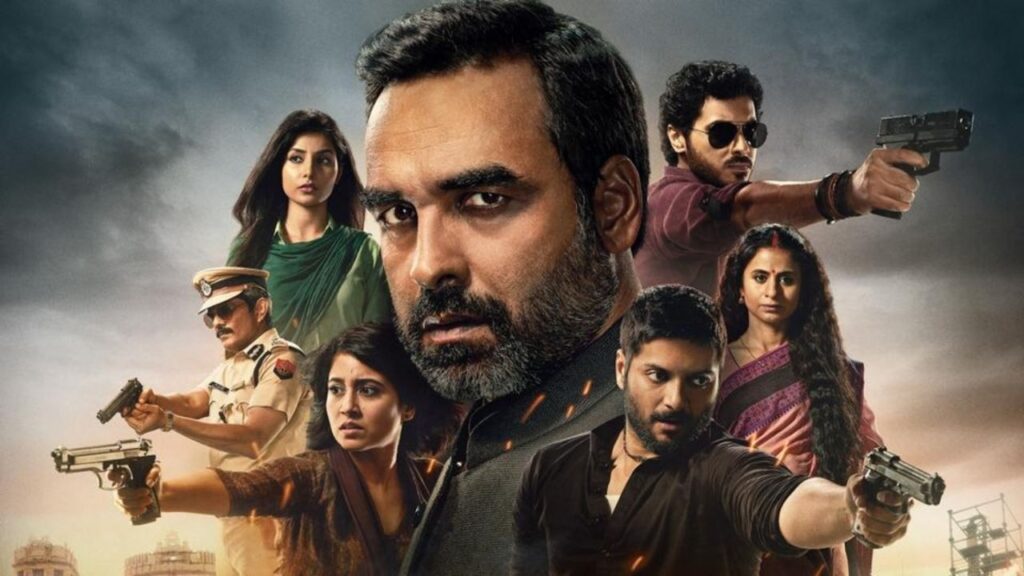
A theatrical release offers opportunities unavailable in episodic structure: heightened cinematic visuals, immersive soundscapes, and concentrated storytelling.
Mirzapur: The Film aims to condense years of rivalry, betrayal, and ambition into a single explosive narrative.
While plot details remain guarded, the film is expected to build upon existing tensions within the Mirzapur underworld. Long-standing feuds may culminate in decisive confrontations, and new players may shift the balance of power.
Read Also: Project Hail Mary Movie 2026: Ryan Gosling Leads an Epic Sci-Fi Mission to Save the Sun
Gurmmeet Singh’s Direction: Elevating Intensity
Director Gurmmeet Singh faces the challenge of translating a serialized world into a self-contained cinematic experience.
His task involves balancing fan expectations with accessibility for new viewers. The film must honor established characters while crafting a storyline that stands independently.
Singh’s style, known for maintaining tension through layered character arcs, appears suited to this responsibility.
The film’s pacing is likely sharper, with tighter narrative focus and fewer digressions.
In a theatrical format, every scene must carry weight. Singh’s direction may emphasize emotional crescendos—moments where dialogue, silence, and action converge.
Pankaj Tripathi: The Quiet Storm of Power
At the heart of Mirzapur lies Pankaj Tripathi’s commanding presence.
His portrayal of a calculating crime lord has long been associated with understated menace. Calm in demeanor yet ruthless in decision-making, his character embodies the paradox of charm and brutality.
In the film, Tripathi’s character may confront the consequences of accumulated power.
Power, once secured, demands constant defense.
Whether defending territory or negotiating fragile alliances, his journey likely explores the psychological toll of leadership in a violent world.
Tripathi’s ability to convey authority through minimal gestures ensures that even quiet scenes carry tension.
Ali Fazal: The Arc of Revenge
Ali Fazal represents the other side of the coin—youthful rage and relentless pursuit of justice or vengeance.
His character’s trajectory has been shaped by loss and betrayal. The film offers a stage for culmination.
Will revenge bring closure? Or will it perpetuate the cycle of violence?
Fazal’s performance is expected to blend emotional vulnerability with hardened resolve.
As alliances shift and loyalties fracture, his character may confront difficult truths about ambition and morality.
Sheeba Chaddha: Moral Complexity in a Violent World
Sheeba Chaddha brings emotional gravitas to the ensemble.
Her roles often highlight resilience and inner strength.
In the brutal landscape of Mirzapur, such strength becomes essential.
She may portray a character navigating family ties and power politics, balancing survival with integrity.
In a world defined by crime, moral complexity adds depth.
Her presence ensures that the film does not reduce itself to spectacle alone.
Themes of Power and Legacy
At its core, Mirzapur: The Film examines power—its acquisition, preservation, and consequences.
Crime thrillers often revolve around control over territory or influence.
However, Mirzapur distinguishes itself by exploring emotional dimensions of power.
Legacy becomes central.
Who inherits control? What does it mean to rule through fear?
The film likely questions whether dominance ensures security or invites inevitable downfall.
Violence as Language
In Mirzapur’s world, violence is not random—it is communicative.
Acts of aggression send messages.
Retaliation establishes boundaries.
The cinematic adaptation may heighten this language through visceral action sequences.
However, effective thrillers balance action with psychological tension.
The film’s violence likely underscores emotional stakes rather than existing for shock value.
Each confrontation may carry symbolic weight.
The Setting: A Character in Itself
Mirzapur’s geography contributes to its identity.
The city’s streets, markets, and political corridors create a distinctive atmosphere.
On the big screen, this environment can be expanded visually.
Wide shots may capture its rugged terrain, while close-ups highlight intimate tension.
Location shapes narrative.
The setting reinforces themes of entrapment and dominance.
Cinematic Craft: Scale and Atmosphere
Transitioning to film allows for grander production design.
Cinematography can emphasize contrasts—lavish interiors versus gritty exteriors.
Lighting choices may reflect moral ambiguity.
Sound design plays a critical role in thrillers.
Silence before confrontation builds suspense.
Explosive sequences heighten adrenaline.
Atmosphere becomes immersive.
Audiences are not mere observers but participants in tension.
Emotional Undercurrents
Despite its crime-thriller label, Mirzapur thrives on emotional stakes.
Family relationships, betrayals, and loyalties define character motivations.
The film may delve deeper into personal losses and ambitions.
Human emotion anchors brutality.
Without emotional grounding, violence loses meaning.
Mirzapur understands that power struggles are rooted in personal wounds.
The Audience’s Expectations
Fans anticipate closure or escalation.
Will longstanding rivalries reach resolution?
Or will new conflicts emerge?
Balancing fan service with fresh storytelling is critical.
The film must deliver intensity while avoiding predictability.
Expectation heightens anticipation.
September 4, 2026, becomes more than a release date—it marks a cinematic event.
Why Mirzapur: The Film Matters
Indian cinema has increasingly embraced crime thrillers with nuanced storytelling.
Mirzapur’s transition to film represents confidence in its narrative depth.
It signals that audiences value complex characters and morally grey worlds.
The film could redefine franchise storytelling in India.
By blending scale with substance, it may set new standards.
Beyond Crime: A Study of Human Nature
Ultimately, Mirzapur is about choices.
Each character chooses ambition, loyalty, or revenge.
Consequences follow.
The film invites viewers to reflect on cycles of violence.
Is power worth the cost?
Can redemption exist in such a world?
These questions elevate the narrative beyond genre conventions.
Read Also: Raakaasaa Movie 2026 – Telugu Horror Fantasy Comedy Release Date, Cast & Full Details
Anticipation for September 2026
The September release positions the film within a competitive window.
Yet its established fan base provides a strong foundation.
Marketing campaigns are expected to emphasize intensity and character depth.
Trailers may highlight confrontations and emotional turning points.
The cinematic return of Mirzapur promises spectacle and substance.
Official Trailer – Mirzapur The Film
Conclusion: Bloodlines and Destiny
Mirzapur: The Film stands poised to bring the saga’s brutality and brilliance to theaters.
Under Gurmmeet Singh’s direction and anchored by compelling performances from Pankaj Tripathi, Ali Fazal, and Sheeba Chaddha, the film promises intensity.
It is a story of bloodlines and destiny—where ambition collides with consequence.
As September 2026 approaches, audiences prepare to re-enter a world where trust is fragile and power is absolute.
In Mirzapur, survival is never guaranteed.
And on the big screen, the stakes have never been higher.
1 thought on “Mirzapur The Film – Power, Revenge, and Bloodlines Return to the Big Screen”