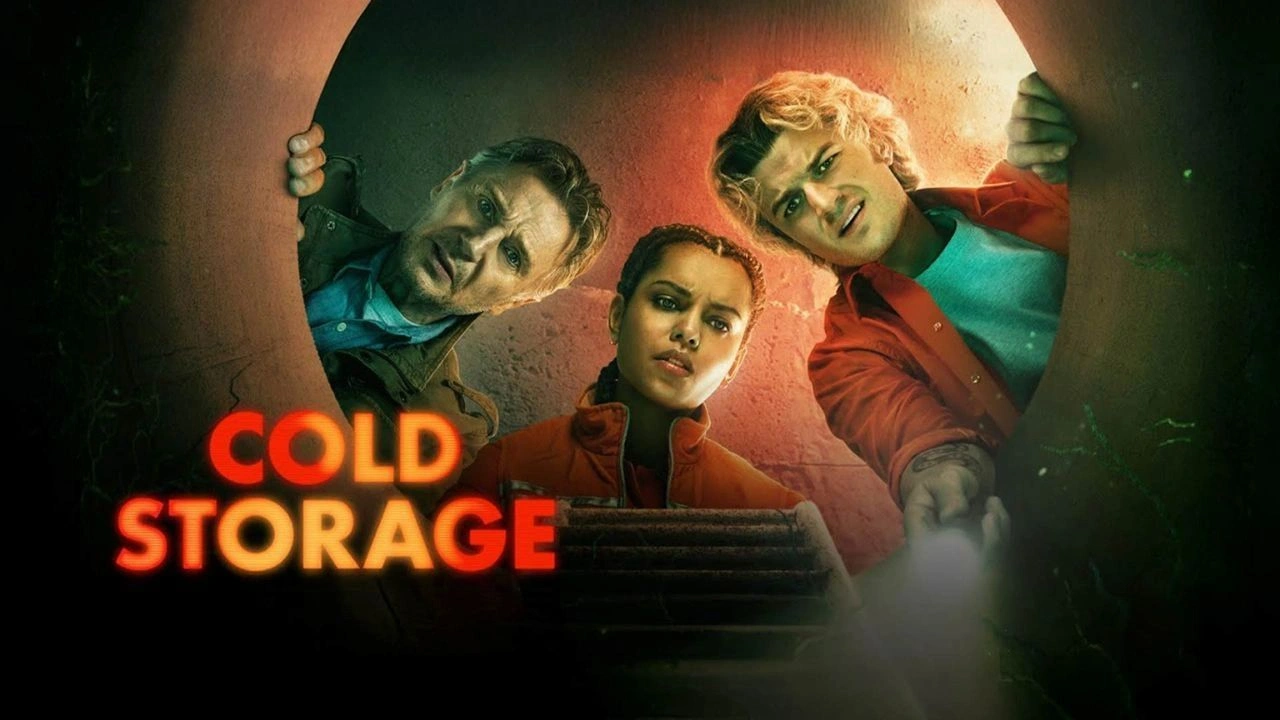
Cold Storage Movie: A deadly laboratory escape forces unlikely heroes into a desperate battle against an unseen biological nightmare spreading rapidly.
In the upcoming science-fiction horror comedy “Cold Storage,” danger does not roar, explode, or announce itself with spectacle—it silently spreads. Directed by Jonny Campbell and written by acclaimed screenwriter David Koepp, the film brings together Rob Collins, Georgina Campbell, and Liam Neeson in a tense yet darkly humorous story about containment, survival, and the terrifying consequences of scientific secrecy. Set against the backdrop of a highly dangerous escaped fungus, the narrative blends comedy, horror, and speculative science fiction into a gripping cinematic experience scheduled for release on February 20, 2026, in the United Kingdom.
A Biological Nightmare Unleashed From Secrecy
At the core of “Cold Storage” lies a chilling premise: a lethal fungus escapes from a classified laboratory, transforming an invisible organism into a catastrophic global threat. Unlike traditional cinematic monsters, this antagonist cannot be easily seen, fought, or even fully understood. Its power comes from stealth, speed, and biological inevitability, making containment not just difficult—but potentially impossible.
This approach taps into deep modern anxieties about pandemics, bioengineering, and institutional secrecy. Audiences today are acutely aware that microscopic organisms can reshape societies, economies, and everyday life. By turning a fungus into the central horror, the film explores how fragile human control over nature truly is.
Yet the story avoids pure despair. Instead, it frames catastrophe through urgent action, unexpected humour, and human resilience, ensuring emotional engagement rather than hopelessness.
View Also: Good Luck Have Fun Don’t Die: A Sci-Fi Adventure That Turns One Night Into Humanity’s Final Stand
Jonny Campbell’s Direction: Tension Built From the Invisible
Director Jonny Campbell is known for crafting tight, suspense-driven storytelling that prioritizes atmosphere and psychological pressure. In “Cold Storage,” his greatest challenge—and opportunity—is making something invisible feel terrifyingly real.
Rather than relying solely on visual spectacle, Campbell’s direction is expected to emphasize sound design, confined spaces, and creeping uncertainty. The fear comes from not knowing where danger is, mirroring real-world biological threats that spread silently before detection.
This method transforms ordinary environments into zones of dread. Hallways, storage rooms, ventilation systems, and sealed containers become potential battlegrounds between human survival and uncontrollable infection. The result is horror rooted in plausibility rather than fantasy, which often proves far more unsettling.
David Koepp’s Screenplay: Blending Wit With Existential Fear
Screenwriter David Koepp has long demonstrated an ability to merge high-concept thrills with sharp character dynamics. In this film, his script appears to balance three tonal forces:
- Horror, driven by the unstoppable biological threat
- Science fiction, grounded in laboratory experimentation and containment strategy
- Comedy, emerging from human reactions under extreme stress
This tonal fusion is crucial. Pure horror can overwhelm, while pure comedy can dilute stakes. Koepp’s strength lies in allowing humor to heighten tension rather than replace it. Characters joke not because the situation is safe—but because fear demands emotional release.
Such balance often defines memorable genre films, ensuring they remain entertaining, thoughtful, and emotionally layered long after the credits roll.
Liam Neeson and the Power of Reluctant Heroism
The casting of Liam Neeson immediately signals gravitas and intensity. Known for portraying determined individuals forced into dangerous missions, Neeson’s presence suggests a protagonist shaped by experience, regret, and moral duty.
In “Cold Storage,” he plays a former bioterrorism agent pulled back into crisis, a classic narrative archetype enriched by age and history. This is not a young hero seeking glory but a seasoned professional confronting unfinished responsibility.
Such characters resonate deeply because they embody sacrifice over ambition. The emotional stakes extend beyond survival into redemption, accountability, and legacy—themes that elevate genre storytelling into meaningful drama.
A Trio of Unlikely Survivors
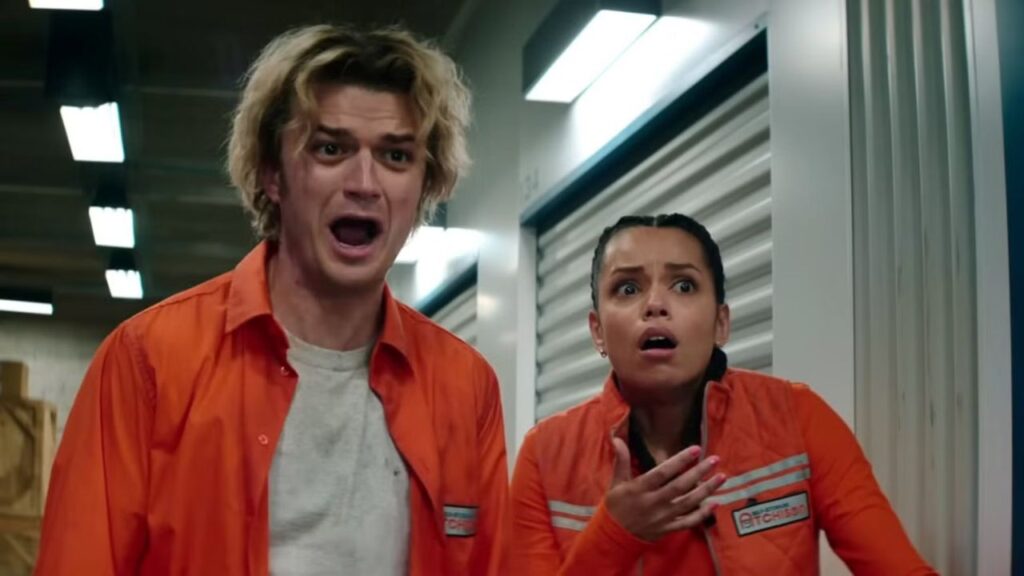
Alongside Neeson’s veteran agent stand two young employees, portrayed by Rob Collins and Georgina Campbell. Their inclusion introduces contrast between experience and innocence, expertise and improvisation.
This dynamic enables several narrative strengths:
- Generational tension, reflecting different responses to crisis
- Emotional grounding, as ordinary individuals face extraordinary danger
- Character growth, transforming fear into courage
The trio structure also supports comedic rhythm, allowing personality clashes and unexpected cooperation to emerge naturally within the chaos.
Comedy, Horror, and Sci-Fi: A Delicate Genre Balance
Blending comedy with horror is notoriously difficult. Success depends on timing, tone, and respect for stakes. If executed well, humor can intensify fear by making characters feel real and vulnerable.
Science fiction adds a third dimension—intellectual curiosity. Viewers are invited to consider:
- How far should secret research go?
- Who controls dangerous discoveries?
- Can humanity contain what it creates?
By merging these questions with suspense and laughter, “Cold Storage” positions itself as entertainment with philosophical depth.
The Fungus as Symbol and Threat
Beyond physical danger, the escaped fungus functions as powerful symbolism. It represents:
- Unchecked scientific ambition
- Hidden consequences of secrecy
- Nature’s ability to overwhelm control
Unlike mechanical villains or alien invaders, a biological antagonist feels uncomfortably plausible. This realism strengthens emotional impact, reminding audiences that the most dangerous threats may already exist within human reach.
International Production and Global Perspective
Originating from France, Italy, and Morocco, the film reflects increasingly international collaboration in modern cinema. Such partnerships often enrich storytelling through:
- Diverse cultural viewpoints
- Varied production aesthetics
- Broader global appeal
Because biological crises ignore borders, an international production subtly reinforces the film’s theme that survival is a shared human challenge rather than a single nation’s battle.
Release Timing in a Changing Cinematic Landscape
Arriving in February 2026, “Cold Storage” enters a film industry hungry for original genre storytelling. Audiences increasingly seek fresh concepts beyond long-running franchises, especially in science fiction and horror.
Its blend of recognizable star power, high-concept danger, and tonal originality could position the film as a standout early-year release, capable of building strong word-of-mouth momentum.
Why This Story Feels Urgently Relevant
Modern society lives with heightened awareness of:
- Pandemic vulnerability
- Biosecurity risks
- Technological ethics
“Cold Storage” channels these real fears into narrative form, allowing audiences to process anxiety through story, suspense, and resolution. This is one of cinema’s oldest and most powerful functions: transforming collective uncertainty into shared emotional experience.
At its heart, the film argues something deeply human—that cooperation, courage, and quick thinking remain humanity’s strongest defences, even against invisible catastrophe.
Read Also: Lenin Movie 2026 – Akhil Akkineni’s Romantic Action Drama on Honour Killings
Official Trailer – Cold Storage Movie
Conclusion: Invisible Horror, Visible Humanity
Everything about “Cold Storage” suggests a film designed to thrill, unsettle, and entertain simultaneously. With Jonny Campbell’s tension-focused direction, David Koepp’s genre-blending script, and a cast led by Liam Neeson’s commanding presence, the project holds strong potential to become one of 2026’s most memorable sci-fi horror experiences.
More importantly, it explores a timeless question beneath the fear:
When control fails and danger spreads unseen, what kind of people do we choose to become?
If the film delivers on this emotional and thematic promise, “Cold Storage” may stand not only as gripping entertainment but also as a thoughtful reflection on science, secrecy, and survival in the modern age.
1 thought on “Cold Storage Movie 2026: A High-Stakes Sci-Fi Horror”