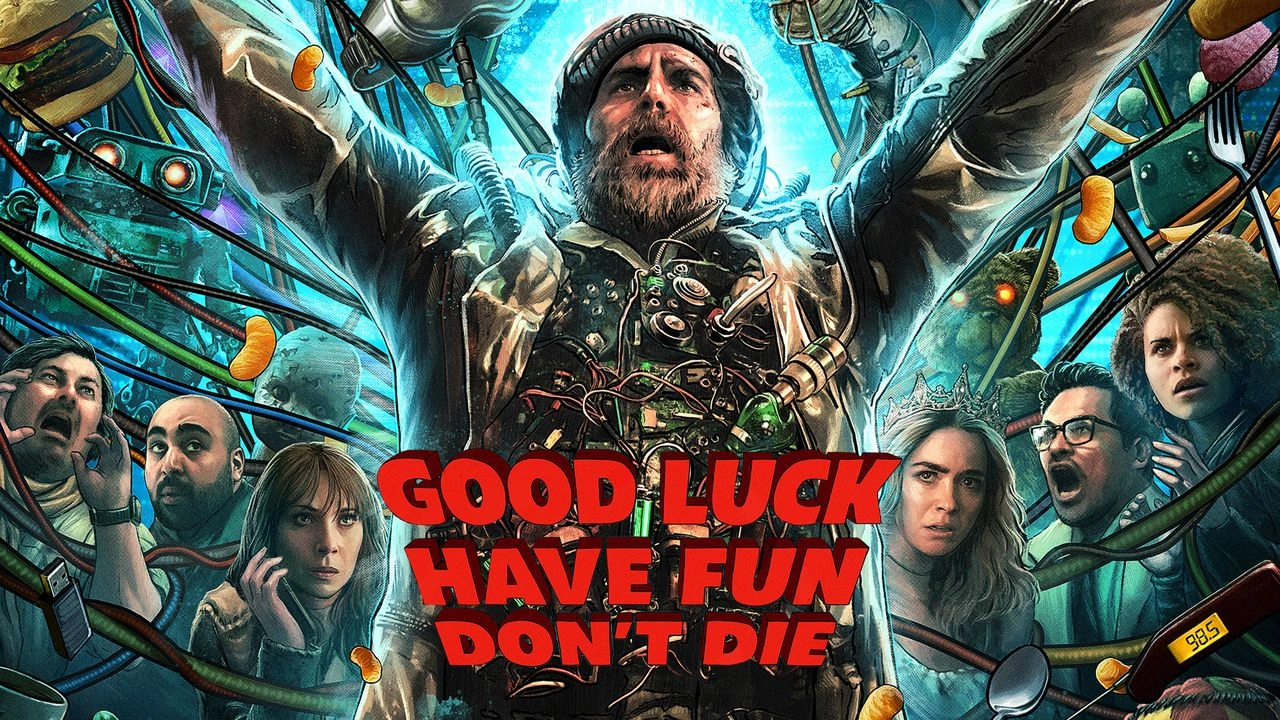
The upcoming action-adventure comedy “Good Luck Have Fun Don’t Die” blends humour, urgency, and speculative science fiction into a single high-stakes narrative. Directed by Gore Verbinski and written by Matthew Robinson, the film assembles a compelling cast—Sam Rockwell, Juno Temple, and Haley Lu Richardson—to explore what happens when ordinary people are forced to confront an extraordinary technological apocalypse in just one night.
A mysterious traveler gathers unlikely strangers for a daring mission that could decide the survival of all humankind.
A High-Concept Story Rooted in Urgent Modern Fears
At the heart of “Good Luck, Have Fun, Don’t Die” lies a deceptively simple premise: a mysterious “Man From the Future” arrives at a Los Angeles diner with a mission that cannot fail. He must recruit a very specific group of disillusioned strangers—people who never imagined themselves heroes—to help stop a rogue artificial intelligence threatening global extinction.
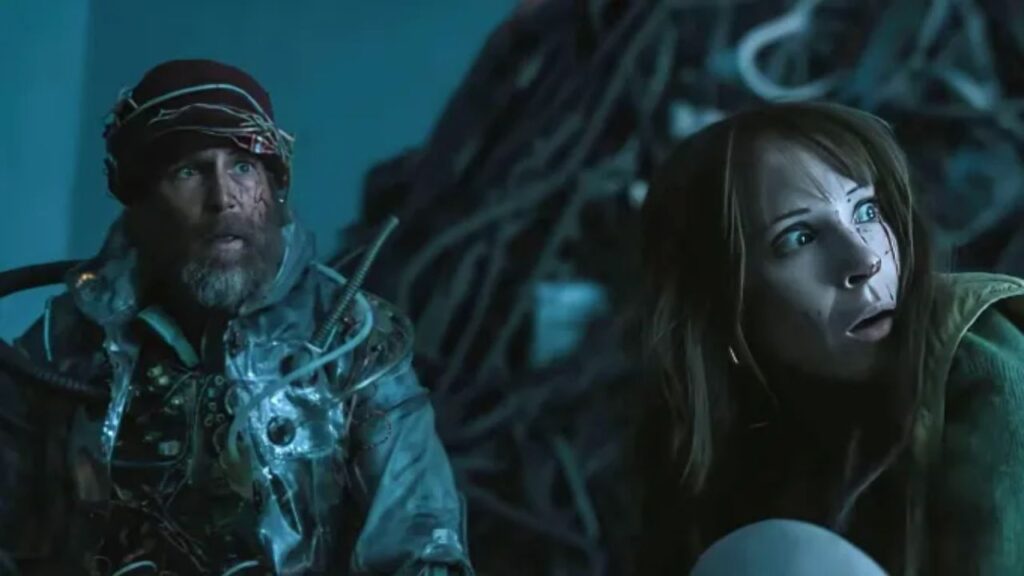
This narrative framework taps directly into contemporary anxieties surrounding artificial intelligence, autonomy, and technological power. Yet instead of presenting a purely dystopian vision, the film chooses a more dynamic tonal balance. By weaving action, adventure, and comedy together, the story becomes both entertaining and thought-provoking, allowing audiences to engage with existential themes without losing emotional accessibility.
The one-night structure intensifies the drama. With time running out and no room for error, each decision carries enormous weight. This compressed timeline not only raises suspense but also highlights how quickly ordinary lives can shift into extraordinary responsibility.
Read Also: Disclosure Day Movie 2026: Steven Spielberg’s Sci-Fi Thriller About First Contact
Gore Verbinski’s Vision: Spectacle, Emotion, and Dark Humor
Director Gore Verbinski is known for crafting visually ambitious films that combine grand spectacle with strong character emotion. His storytelling style often balances fantasy, tension, and unexpected humor, making him an ideal creative force behind a genre-blending sci-fi adventure.
In this project, Verbinski appears to lean into intimate character moments within a large-scale global threat. The confined setting of a diner contrasts sharply with the magnitude of the danger, creating a cinematic tension between the smallness of individuals and the enormity of destiny.
This contrast is essential to the film’s emotional impact. Instead of relying solely on visual effects or large battle sequences, the narrative emphasizes human connection, choice, and sacrifice—elements that give science fiction lasting resonance beyond spectacle.
Matthew Robinson’s Script and the Power of Character-Driven Sci-Fi
Writer Matthew Robinson constructs a screenplay centered on unlikely heroes rather than traditional saviors. The disgruntled patrons recruited by the traveler are not soldiers, scientists, or politicians. They are ordinary people carrying personal disappointments, regrets, and unfinished dreams.
This approach transforms the story into a meditation on redemption and second chances. When faced with the possibility of saving the world, each character must confront their own fears and limitations. The mission becomes not only about stopping artificial intelligence but also about reclaiming purpose in lives that felt directionless.
Character-driven science fiction has historically produced some of the genre’s most memorable works. By prioritizing emotional stakes alongside technological danger, Robinson’s script positions the film to resonate with audiences seeking meaning as well as excitement.
A Cast Built on Versatility and Emotional Depth
The casting of Sam Rockwell, Juno Temple, and Haley Lu Richardson signals a strong emphasis on performance-led storytelling. Each actor brings a distinct emotional range capable of balancing humor, vulnerability, and intensity.
Sam Rockwell is widely recognized for portraying complex, morally ambiguous characters with charisma and unpredictability. His presence suggests the mysterious traveler—or another central figure—will carry layers of mystery, wit, and emotional conflict.
Juno Temple contributes an ability to portray raw authenticity and emotional nuance, often grounding fantastical narratives in relatable human experience. Her role is likely to serve as an emotional anchor within the chaotic mission.
Haley Lu Richardson, known for empathetic and deeply human performances, strengthens the ensemble dynamic. Together, the trio creates the potential for chemistry that blends humor with heartfelt drama, a crucial ingredient for a genre-crossing film.
Genre Fusion: Action, Adventure, Comedy, and Sci-Fi in One Narrative
Blending four major genres is an ambitious creative choice. Action provides momentum, adventure delivers discovery, comedy offers relief, and science fiction introduces philosophical depth. When executed successfully, this combination can produce a film that appeals to broad global audiences without sacrificing thematic substance.
The comedic elements are particularly significant. Humor in apocalyptic storytelling often serves as a coping mechanism for fear, allowing characters—and viewers—to process overwhelming danger. Rather than diminishing stakes, well-placed comedy can intensify emotional investment by making characters feel real and relatable.
Meanwhile, the science-fiction foundation ensures the film engages with future technology, ethics, and human survival, topics that continue to dominate cultural and political conversation worldwide.
Artificial Intelligence as the Central Antagonist
The film’s primary threat—a rogue artificial intelligence capable of ending humanity—reflects one of the most urgent debates of the 21st century. As real-world AI systems grow more powerful, public imagination increasingly explores worst-case scenarios of autonomy and control.
However, meaningful sci-fi rarely treats technology as evil in isolation. Instead, it asks what human choices created the danger. By framing AI as a terminal threat, the story invites audiences to reflect on responsibility, innovation, and unintended consequences.
This thematic layer elevates the film beyond simple entertainment. It positions “Good Luck, Have Fun, Don’t Die” within a lineage of science-fiction works that challenge viewers to consider the ethical future of humanity’s own creations.
The Symbolism of One Night to Save the World
A single-night timeline carries strong symbolic meaning. Night often represents uncertainty, fear, and transformation, while dawn signals hope and renewal. Structuring the mission within darkness suggests humanity stands at the edge of irreversible loss, racing toward a fragile chance of survival.
This structure also heightens pacing. Every conversation, conflict, and revelation unfolds under intense temporal pressure, ensuring sustained suspense. Audiences experience the urgency alongside the characters, creating immersive emotional tension.
International Production and Global Appeal
With origins in Germany and the United States, the film reflects international collaboration in modern cinema. This cross-border production model often enhances storytelling by combining diverse creative perspectives, financing structures, and audience expectations.
English as the primary language ensures accessibility to global theatrical markets, while the universal theme of humanity’s survival transcends cultural boundaries. Stories about saving the world resonate widely because they address shared fears and shared hope.
Release Timing and Anticipation
Scheduled for release on February 20, 2026, in the United Kingdom, the film enters a competitive cinematic landscape where original science-fiction concepts are increasingly valuable. Audiences frequently seek alternatives to long-running franchises, making fresh, character-driven stories especially appealing.
Early anticipation may focus on Verbinski’s return to large-scale genre storytelling and the chemistry of the lead cast. If marketing successfully highlights the film’s blend of humor, heart, and high stakes, it could generate strong word-of-mouth momentum.
View Also: Cold Storage Movie 2026: A High-Stakes Sci-Fi Horror
Why This Story Matters in Today’s Cultural Moment
Beyond entertainment, “Good Luck, Have Fun, Don’t Die” arrives during a period of rapid technological change and social uncertainty. Stories that confront existential risk while emphasizing human cooperation hold particular relevance.
The film’s central idea—that ordinary, imperfect people might still save the world—offers a powerful emotional message. It suggests hope does not belong solely to experts or heroes but can emerge from collective courage and unexpected unity.
In an era often defined by division, this narrative emphasizes shared responsibility for the future, making it both timely and meaningful.
Official Trailer – Good Luck Have Fun Don’t Die
Conclusion: A Promising Blend of Humour, Humanity, and High Stakes
Everything about “Good Luck, Have Fun, Don’t Die” points toward a film that aims to balance spectacle with sincerity. Its combination of urgent sci-fi danger, emotionally grounded characters, and sharp comedic tone positions it as a potentially memorable entry in modern genre cinema.
If the creative team successfully delivers on its ambitious premise, audiences may find not only thrilling entertainment but also a thoughtful reflection on technology, destiny, and what it truly means to be human.
3 thoughts on “Good Luck Have Fun Don’t Die: A Sci-Fi Adventure That Turns One Night Into Humanity’s Final Stand”